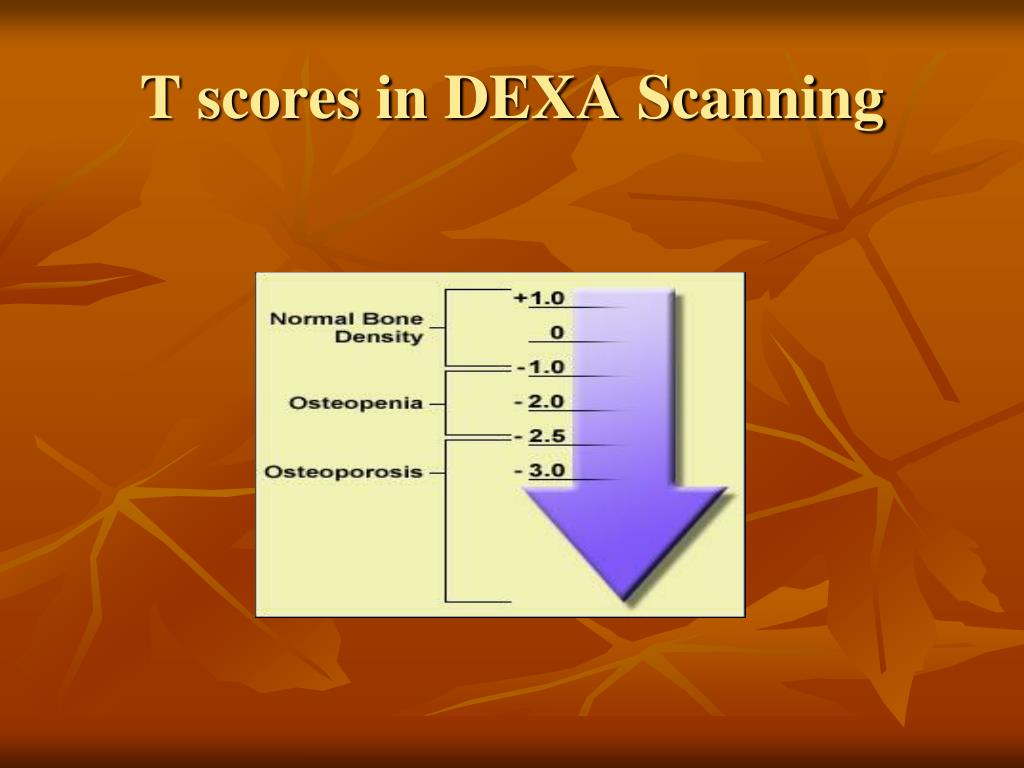
This is considered to be the gold standard screening tool when diagnosing osteoporosis. This scan generates a Z-score that compares your bone to that of an average, healthy individual of the same age, gender, race, height, and weight. This data point is valuable when screening for secondary osteoporosis. If you are over 65 or have other risk.. A score of -2.5 and below is defined as osteoporosis. The T score is used to estimate your risk of developing a fracture and also to determine if treatment is required. Z score — This number reflects the amount of bone you have compared with other people in your age group and of the same size and gender. If this score is unusually high or low.
PPT OSTEOPOROSIS PowerPoint Presentation, free download ID3136985
Dexa Bone Density Scan

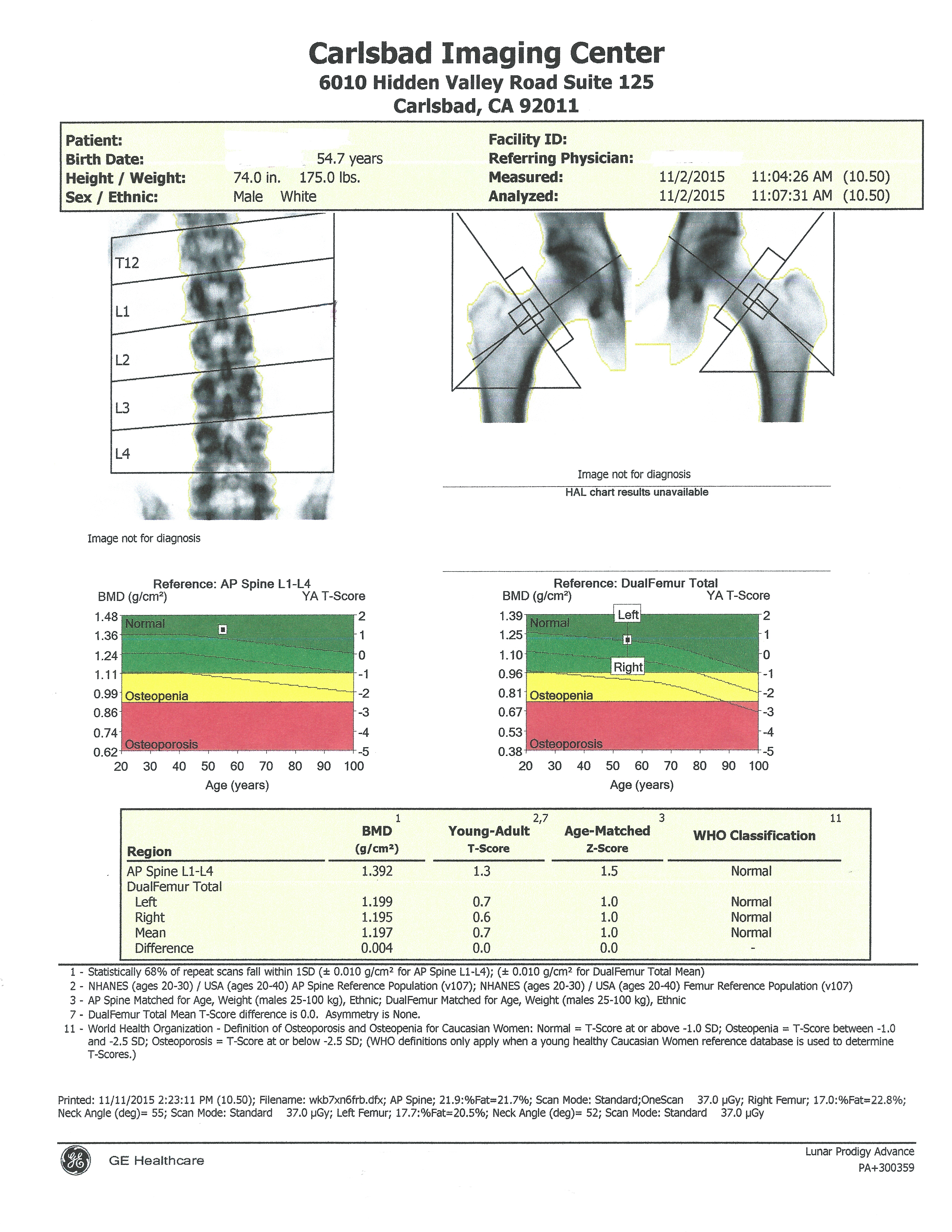
DXA printout showing BMD value for an 80yearold white female, and her… Download Scientific
Dexa Scan Score Chart
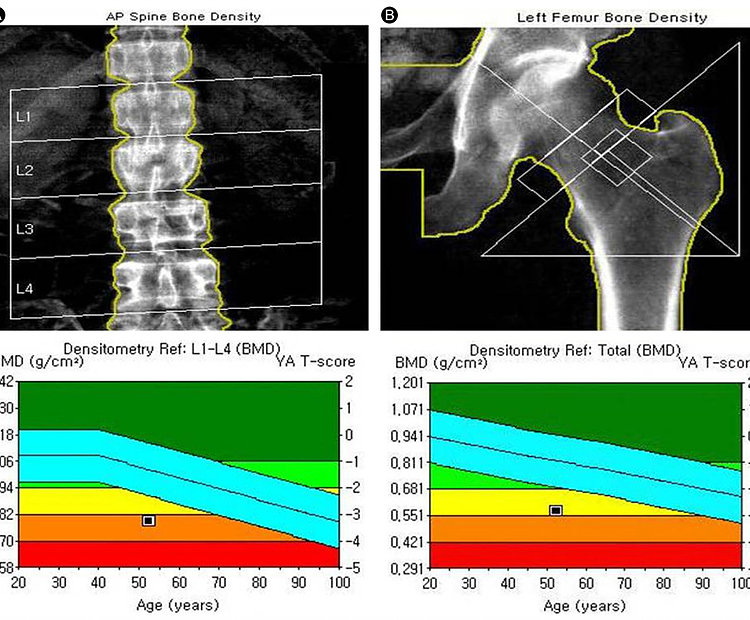
DEXA Prognosis Advanced Diagnostic Center
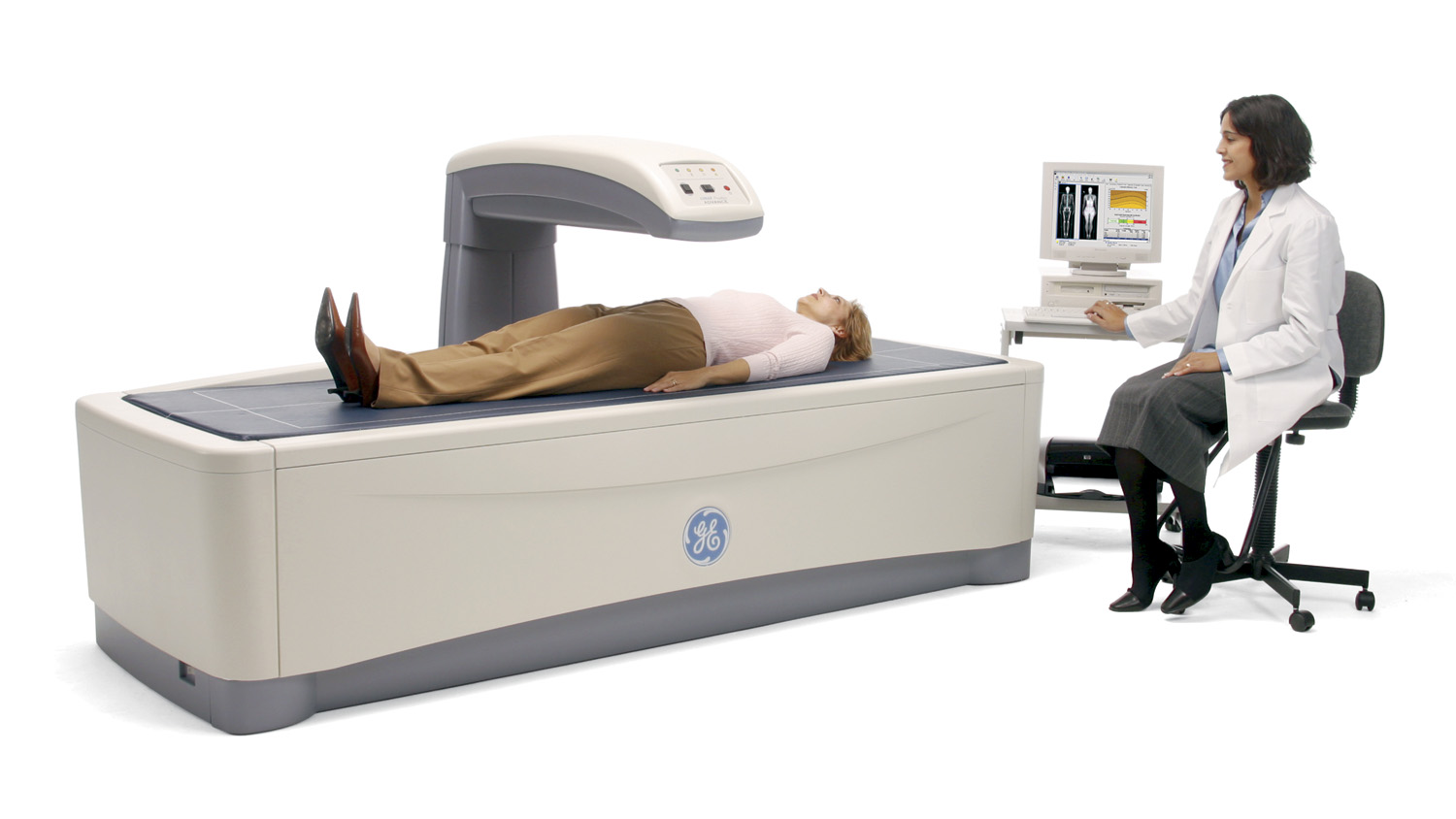
What is a DEXA Scan and what are the steps involved in it? Yashoda Hospital
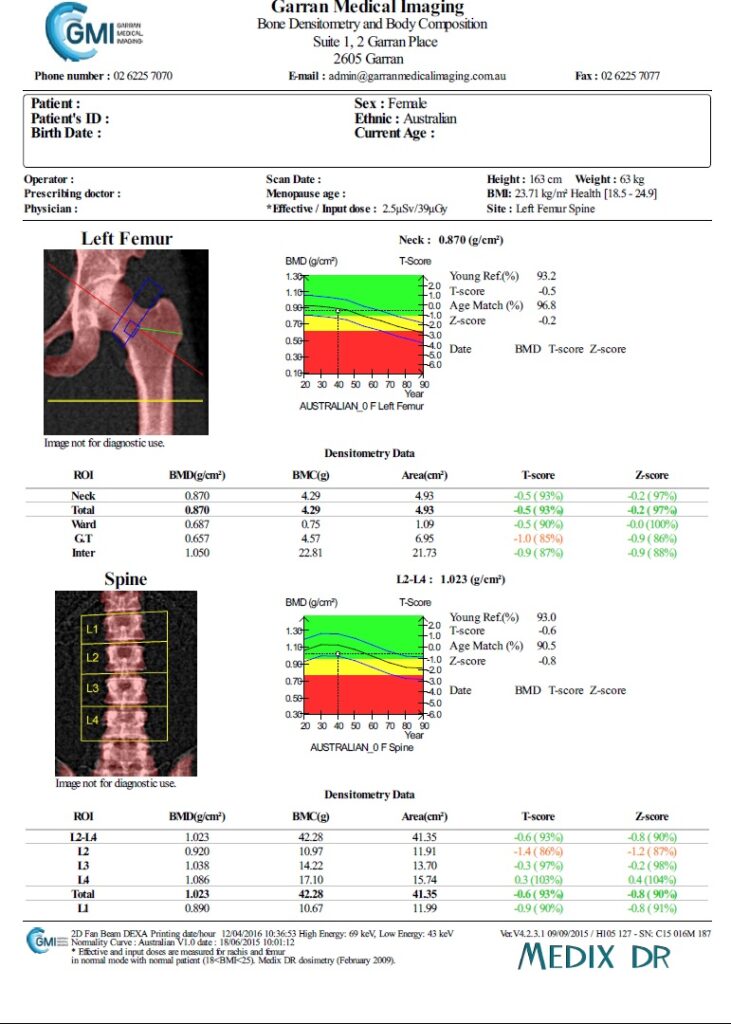
DEXAService GMI
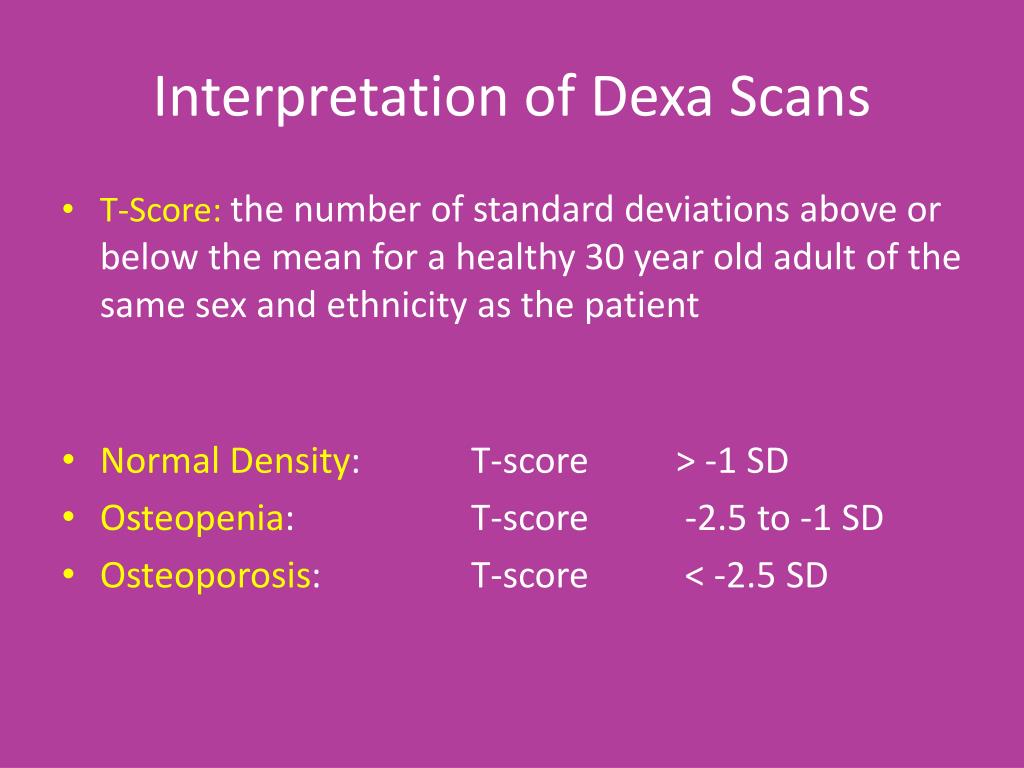
PPT Breast Cancer and Bone Health PowerPoint Presentation, free download ID2203476

My DEXA Scan for Body Composition BJJ Caveman
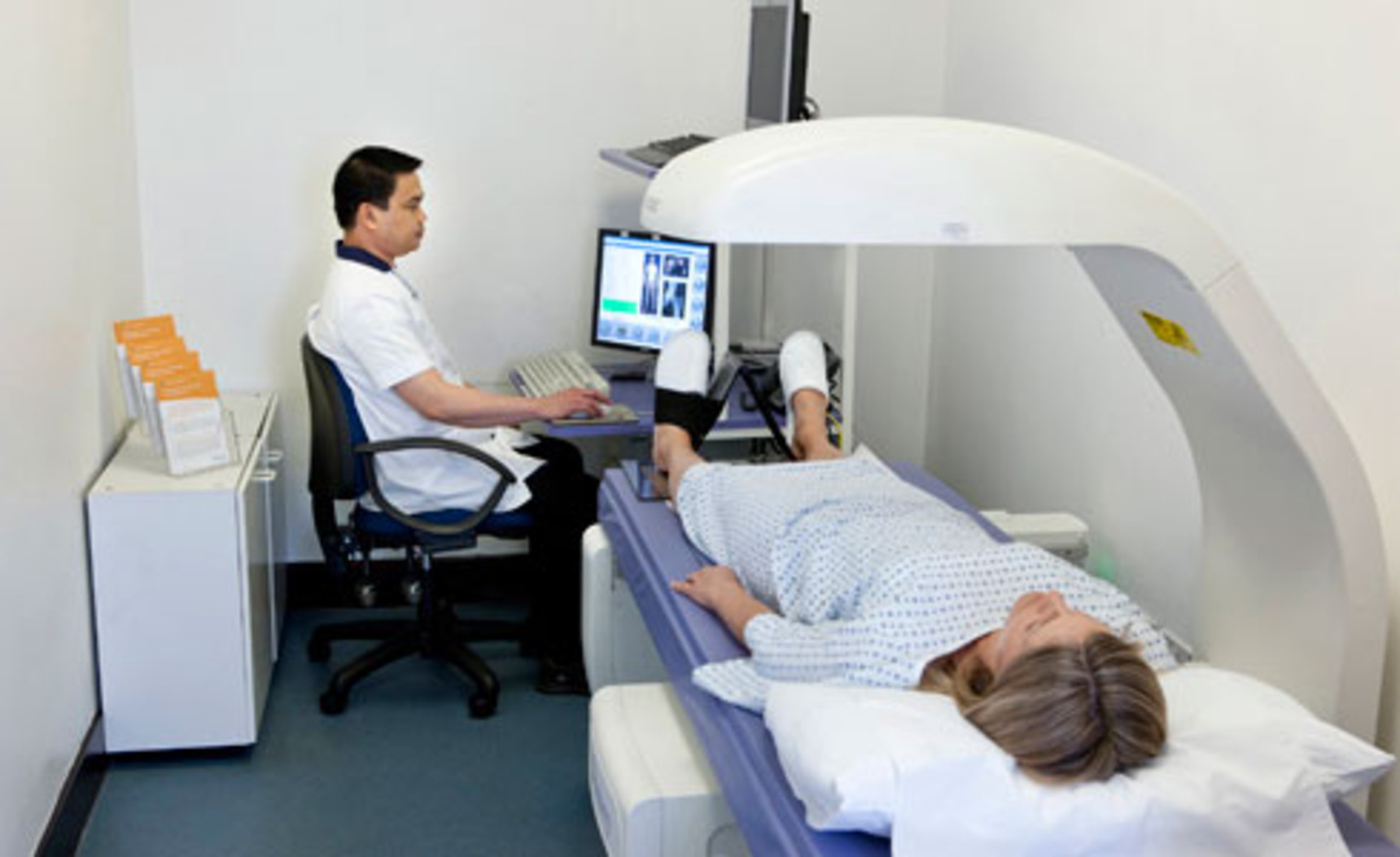
DEXA Scans The Centers for Advanced Orthopaedics

DXA Report ExplanationWhole Body Scan YouTube
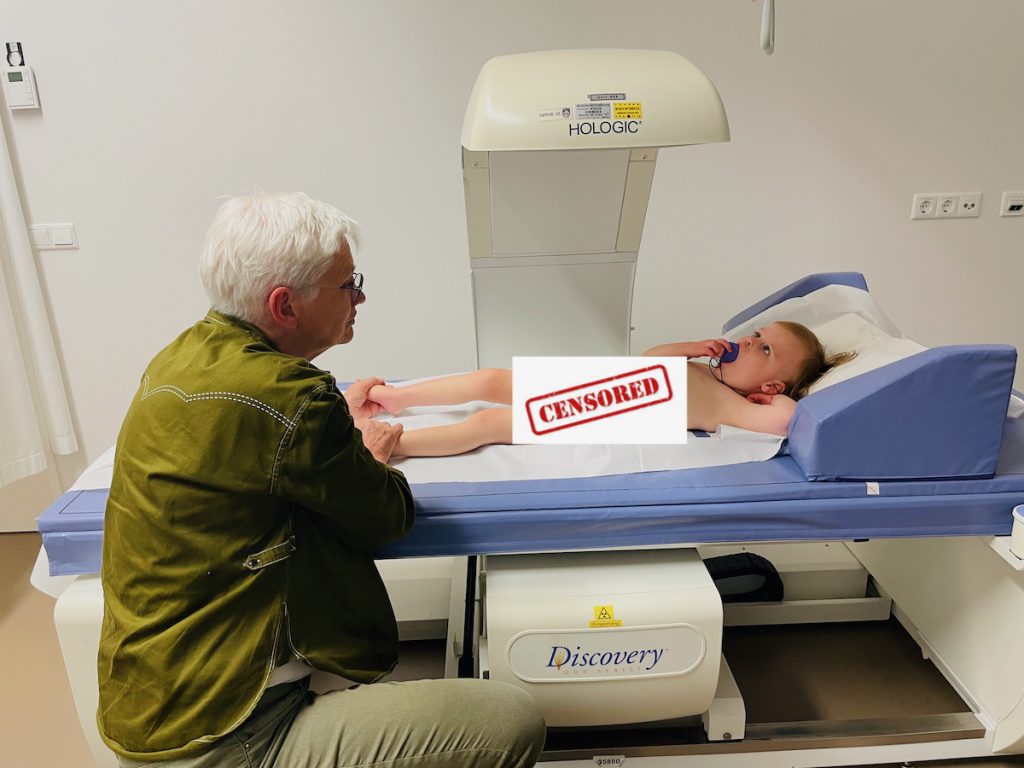
DEXA scan botdichtheid meten en hoe is het verlopen? MeerVanMir

How to Read DEXA Scan Results
:max_bytes(150000):strip_icc()/190167_color-5bbbc28bc9e77c00585d93f9.png)
DEXA Scan Uses, Procedure, Results
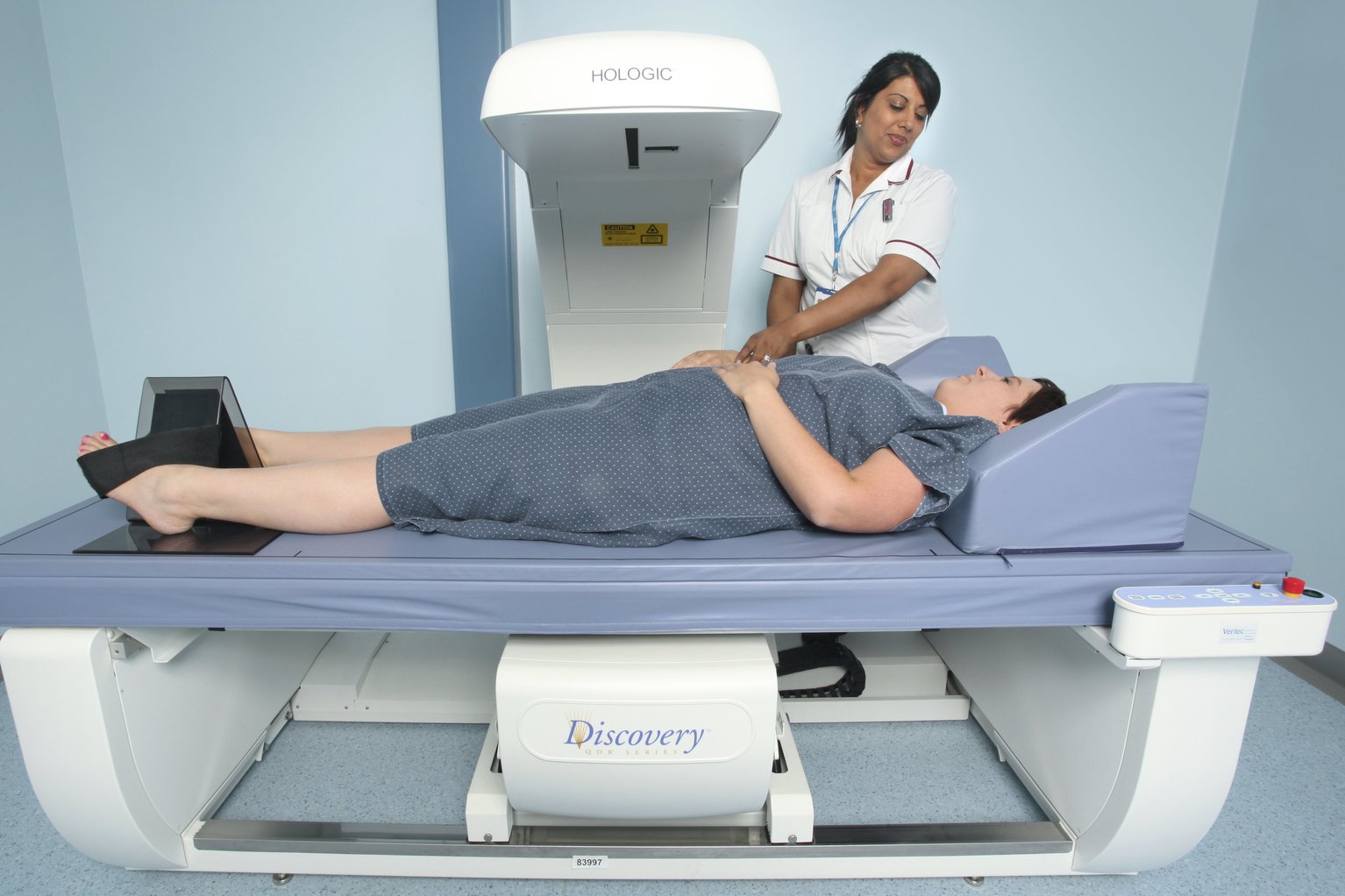
Bone density scan (DEXA scan) How it is performed NHS

Comparing Body Composition Reports DEXA versus 3D Scan

My experience with a DEXA Scan! What is it, and is it worth it? — Whole Body Health Physical

DEXA Scan Scores & Everything You Need to Know in 2022 Bone density, Osteoporosis

Dexa Scan Score Chart
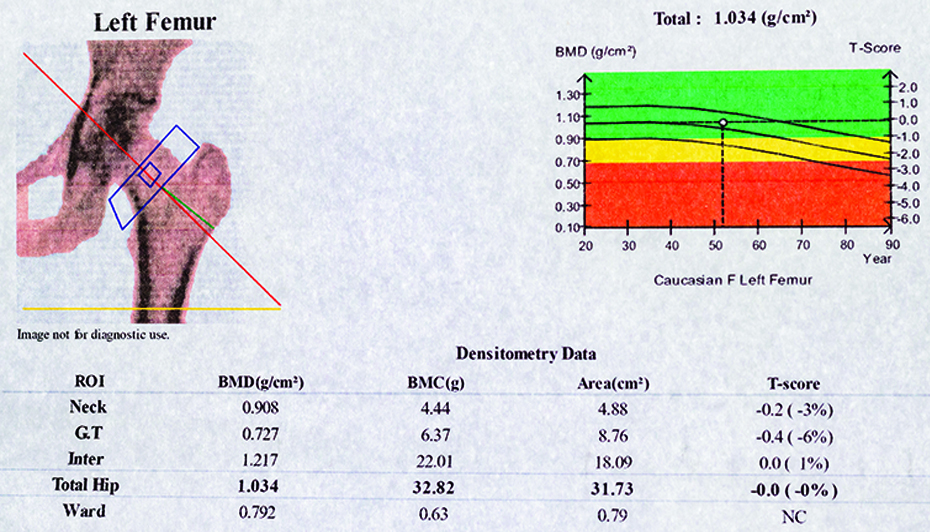
Dexa Scan Score Chart
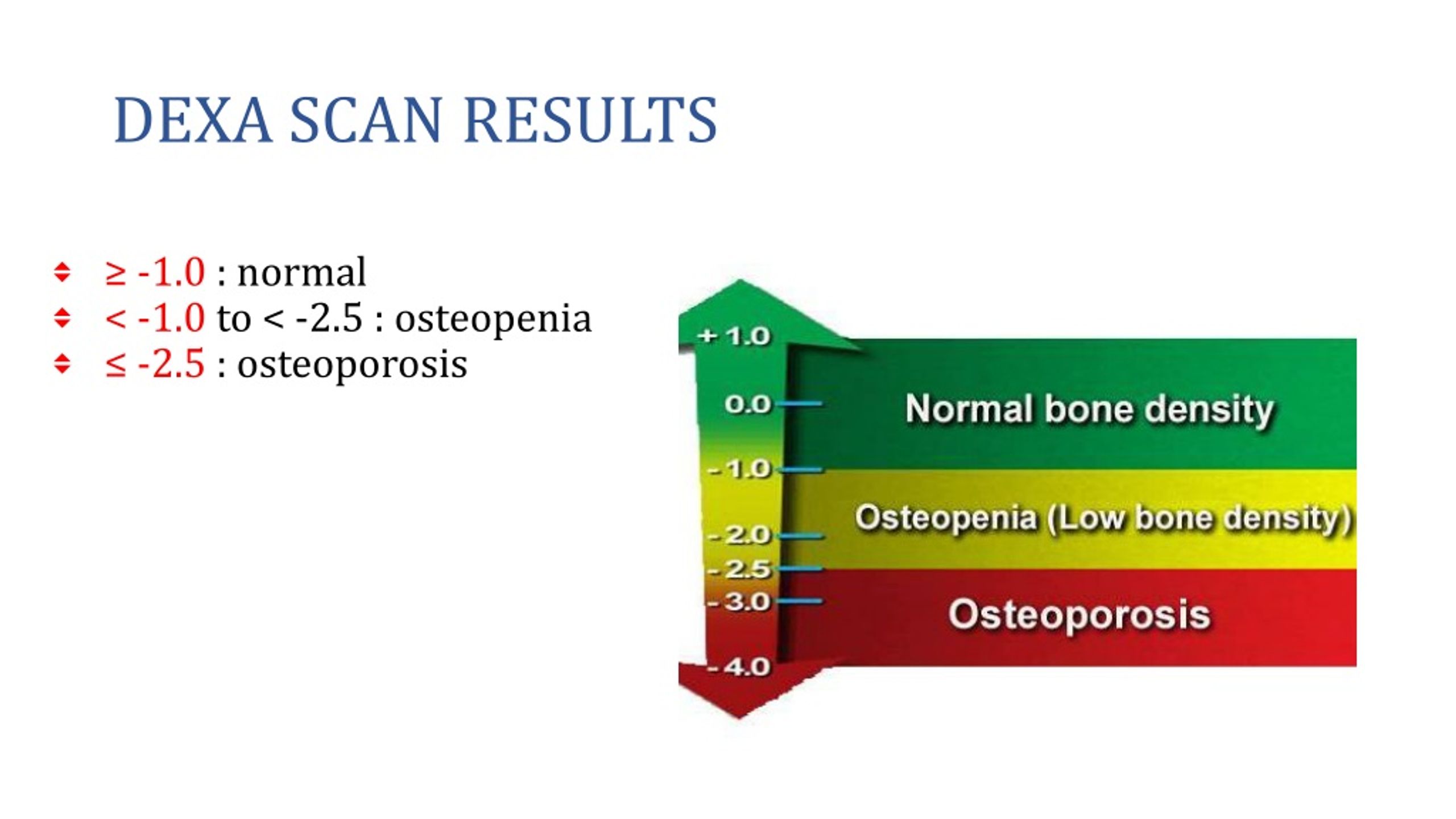
2. The column marked T score shows how your bone mineral density compares with women in their thirties, the peak bone density years. when it is highly unlikely that you would suffer a fracture. Scores of +1.0 are good. Numbers between +1 and – 1 show normal bone mineral density. Scores between -1 and -2.5 indicate Osteopenia (thin bones).. Values are compared to others of the same age and gender (Z-scores) or healthy young adults at peak bone mass (T-scores). For post-menopausal women and men age 50 and over, the result of DXA is based on T-scores: A T-score equal to or above -1.0 is considered normal bone density. A T-score between -1.0 and -2.5 is considered low bone density.